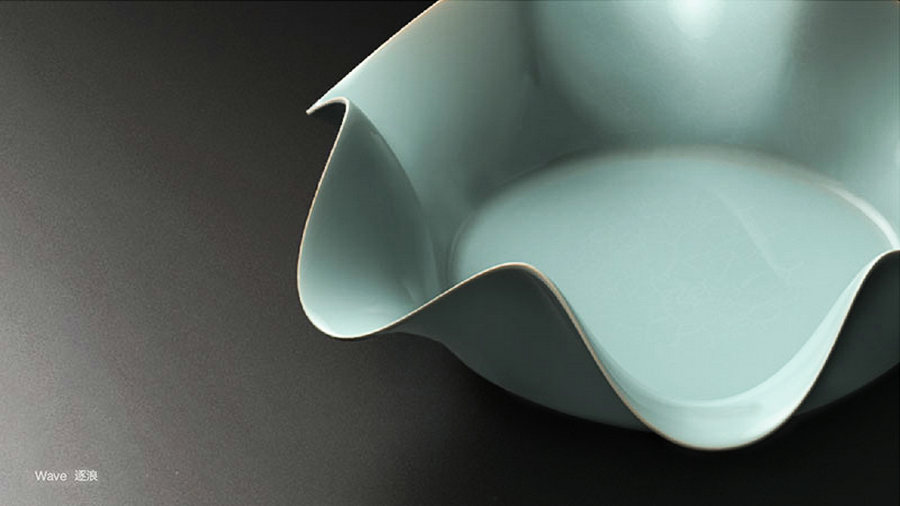
Ru Porcelain Art
Overview
Ru porcelain is a type of Chinese pottery that is highly regarded for its unique qualities and historical significance. Originating from the Song Dynasty (960-1279), this art form is known for its delicate glaze and intricate craftsmanship. The production of Ru porcelain was predominantly centered in the area of Baofeng county, located in Henan province, China, which was home to the renowned Ru Guan kiln.
Historical Background
Ru porcelain production dates back to the Song Dynasty, with the Ru Guan kiln being one of the most significant kilns of that era. The kiln operated during the Northern Song Dynasty and was esteemed for producing some of the finest ceramics. Ru porcelain is characterized by its simple yet elegant design and a unique glaze that ranges in color from pale blue to aquamarine, often described as "the color of the sky after rain." This distinctive glaze is achieved through a complex firing process that involves precise temperature control.
Characteristics of Ru Porcelain
Ru porcelain is celebrated for its subtle beauty and refined craftsmanship. The glaze is a defining feature, with a jade-like texture that offers a smooth, glassy finish. The pieces often display a crackle or "crazing" pattern, which results from the natural cooling process and is considered a hallmark of authenticity. The forms are typically understated, emphasizing the purity of the design and the quality of the materials.
Cultural Significance
Ru porcelain holds great cultural value as a symbol of Chinese artistic excellence. It is often associated with the imperial court and was a favorite among the Song emperors. The rarity of genuine Ru porcelain pieces, due to the limited production period and the subsequent destruction of many kilns, adds to its allure and historical importance. Today, Ru porcelain is considered an intangible cultural heritage, celebrated for its contribution to the legacy of Chinese ceramics.
Modern Revival and Education
In recent years, there has been a revival of interest in Ru porcelain, with efforts to preserve and promote this traditional craft. Local artisans and cultural institutions in Baofeng county continue to produce Ru porcelain using traditional methods, ensuring that the art form endures for future generations. Educational initiatives, such as the program involving Xichengmen Primary School students, aim to engage young people with the cultural heritage of Ru porcelain. These initiatives provide students with hands-on experiences in the art of porcelain-making, fostering an appreciation for the craftsmanship and history behind this celebrated ceramic art.
Production Techniques
The creation of Ru porcelain involves several meticulous steps, each requiring a high level of skill and precision. The process begins with the selection of fine kaolin clay, known for its purity and plasticity. The clay is shaped into the desired form and then meticulously smoothed to create a flawless surface. Once the piece is formed, it undergoes a bisque firing, which solidifies the shape and prepares it for glazing.
The glaze application is a critical phase, where artisans apply a specially formulated slip that gives Ru porcelain its distinctive colors. The glazes are made from a blend of minerals, including feldspar and limestone, which contribute to the unique hues and patterns. The final firing is conducted at high temperatures in a kiln, carefully monitored to achieve the desired finish. The cooling process is equally important, as it influences the crackle pattern that is emblematic of Ru porcelain.
Notable Features and Symbolism
Ru porcelain is renowned for its subtle yet profound aesthetic qualities. The simple shapes and soft colors are representative of the Song Dynasty's appreciation for understated elegance and harmony with nature. The crackle glaze, often compared to ice cracking or fish scales, symbolizes the natural imperfections that enhance the beauty of the pieces. This aesthetic philosophy aligns with traditional Chinese values, where balance and natural beauty are highly esteemed. Article reference1. Students learn the art of Ru porcelain in Henan. chinadaily.com.cn. 2020Photo Gallery(16 pictures)CategoriesCultural HeritageTagChinese CeramicsIntangible Cultural HeritageChinese Cultural SymbolCatalogue1. Overview2. Historical Background3. Characteristics of Ru Porcelain4. Cultural Significance5. Modern Revival and Education6. Production Techniques7. Notable Features and Symbolism- - - []








